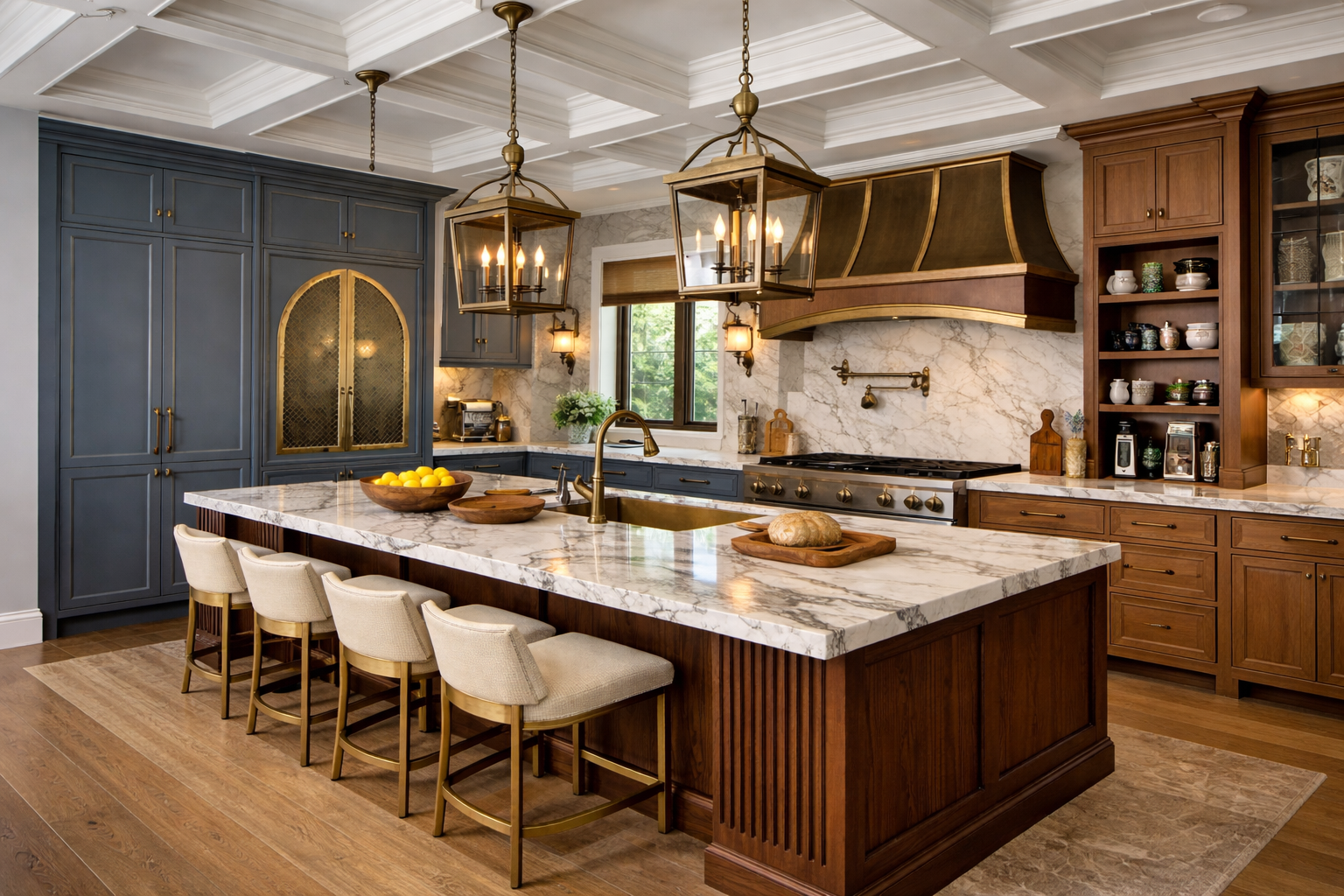
The Functional Heart: A Guide to San Diego Kitchen Upgrades
A kitchen is more than a collection of appliances; it is the structural and social heart of the home. In San Diego, a kitchen upgrade is an exercise in intentionality, moving beyond mere surface finishes to create a space that supports the specific rhythms of how you cook, gather, and dwell. A well-executed renovation anchors the home’s flow, optimizes its storage capacity, and serves as a fiscal footing for long-term property value.
Whether you are performing a targeted strike on specific features or undertaking a full structural evolution, success is found in the transition from abstract vision to a functional reality.
The Craftsman’s Ledger: Key Insights
- Intentional Customization: Align your cabinetry and layout with the specific ergonomics of your daily life.
- Unified Design-Build: Discover how a single point of accountability reduces the friction of construction.
- The Geometry of Flow: Master space planning to eliminate wasted movement and visual clutter.
- Layered Illumination: Use task and ambient lighting to define the room’s utility and atmosphere.
- The Precision of Detail: See how the final alignment of stone and hardware defines the project’s quality.
The Foundation of Custom Kitchen Remodeling
Customization is the tool that transforms a generic room into an efficient workspace. By honing the layout and selecting bespoke cabinetry, you ensure that every square inch of the kitchen is performing a task. When this work is part of a broader home remodel, it allows the kitchen to act as a cohesive monetary framework for the rest of the residence.
Working with a seasoned kitchen remodeling firm provides access to the architects and builders who understand the specific structural pulse of San Diego homes. This expertise is what prevents the "change orders" and delays that can thin out a budget. A professional eye ensures that the finished space doesn't just look refined—it performs under the pressure of daily use.
A Unified Design-Build Approach
The most efficient path from consultation to construction is the Design-Build model. This structure places the designers and the builders under one roof, streamlining communication and anchoring the project to a predictable timeline. For the homeowner, this provides a single point of accountability, reducing the stress of managing multiple separate trades.
Clear planning in this phase leads to superior cost control. When the hands that draw the blueprint are the same hands that swing the hammer, the result is a project that respects both the aesthetic vision and the physical realities of the site.
Layouts That Prioritize Function and Storage
A superior layout is the economic cornerstone of a kitchen. Space planning must be ruthless in its efficiency—placing prep areas, refrigeration, and storage in a way that minimizes travel distance. In modern San Diego homes, we often prioritize open concepts that dissolve the barriers between the kitchen and the living areas, creating better sightlines and a sense of shared space.
Deep drawers and concealed cabinetry allow for a high level of organization without the visual noise of traditional shelving. When these layout decisions are guided by a professional interior designer, the kitchen supports a natural flow that enhances the room’s overall utility and resale value.
Cabinetry: The Skeleton of the Kitchen
Cabinets are the most significant material investment in the room. They serve as the visual "skin" of the kitchen while providing the necessary storage "skeleton." High-quality joinery and thoughtful material selection ensure that your cabinets can withstand years of constant movement while maintaining a polished patina. Custom cabinetry allows for the tailoring of dimensions to fit the specific architecture of your home.
The Art of Layered Lighting
Light is a material in itself, directly impacting the perceived volume and warmth of the space. A layered approach is essential:
- Task Lighting: Focused, bright light over prep areas and stoves to ensure safety and precision.
- Ambient Lighting: A soft, balanced layer that fills the room and prevents harsh shadows.
- Accent Lighting: Used to highlight architectural stone or the grain of custom wood.
Integrating energy-efficient options during the remodeling process reduces the long-term operating costs while ensuring the kitchen feels welcoming at any hour.
Frequently Asked Questions
What is the 30% rule in remodeling?
This guideline suggests that you should avoid investing more than 30% of your total home value into a single renovation project. It is a defensive measure designed to protect your resale value and prevent "over-improvement" relative to the local market.
What is the typical timeline for a kitchen project?
The duration is dictated by the scope. A focused upgrade of finishes may take only a few weeks, while a full structural reconfiguration involving plumbing and electrical "rough-ins" can span several months.
What is the "60-30-10" rule for design?
This is a standard for visual harmony: 60% of the room is anchored by a dominant color, 30% by a secondary color, and 10% is reserved for accent pieces. This balance ensures the room feels cohesive rather than chaotic.